Last updated: 15 August 2026
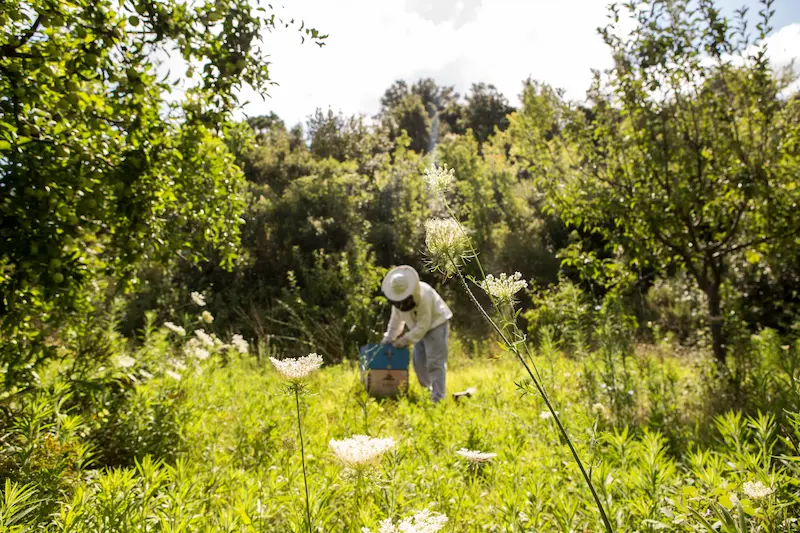
Starting your own beehive can feel exciting, confusing and slightly overwhelming all at the same time. I remember that feeling clearly. My own journey into beekeeping began unexpectedly when a swarm of honey bees arrived in my garden.
That first encounter made me realise how fascinating bees are. I wanted to understand them properly, not just watch them from a distance. Before long, I was reading, asking questions, learning from other beekeepers and preparing to manage my first hive. If you are considering keeping bees yourself, our beginner beekeeping guides can help you understand what is involved before you get started.
Learn About Bees Before You Start
Before buying equipment or getting bees, it is important to understand the basics of honey bee behaviour. A colony is not just a box of insects. It is a highly organised living system with a queen, workers, drones, brood, stores and seasonal changes. Taking time to learn how a colony functions throughout the year will make you a more confident and responsible beekeeper. Our Year in the Apiary guides explain how colonies develop and change through the seasons.
Choose the Right Hive Location
My first beekeeping experience started in my garden, and garden beekeeping can work well if the site is chosen carefully. A hive should ideally have good sunlight, some shelter from strong winds, and enough space for safe inspections. It is also important to consider neighbours, pets and the direction bees will fly when leaving the hive.
Choosing a Hive Type
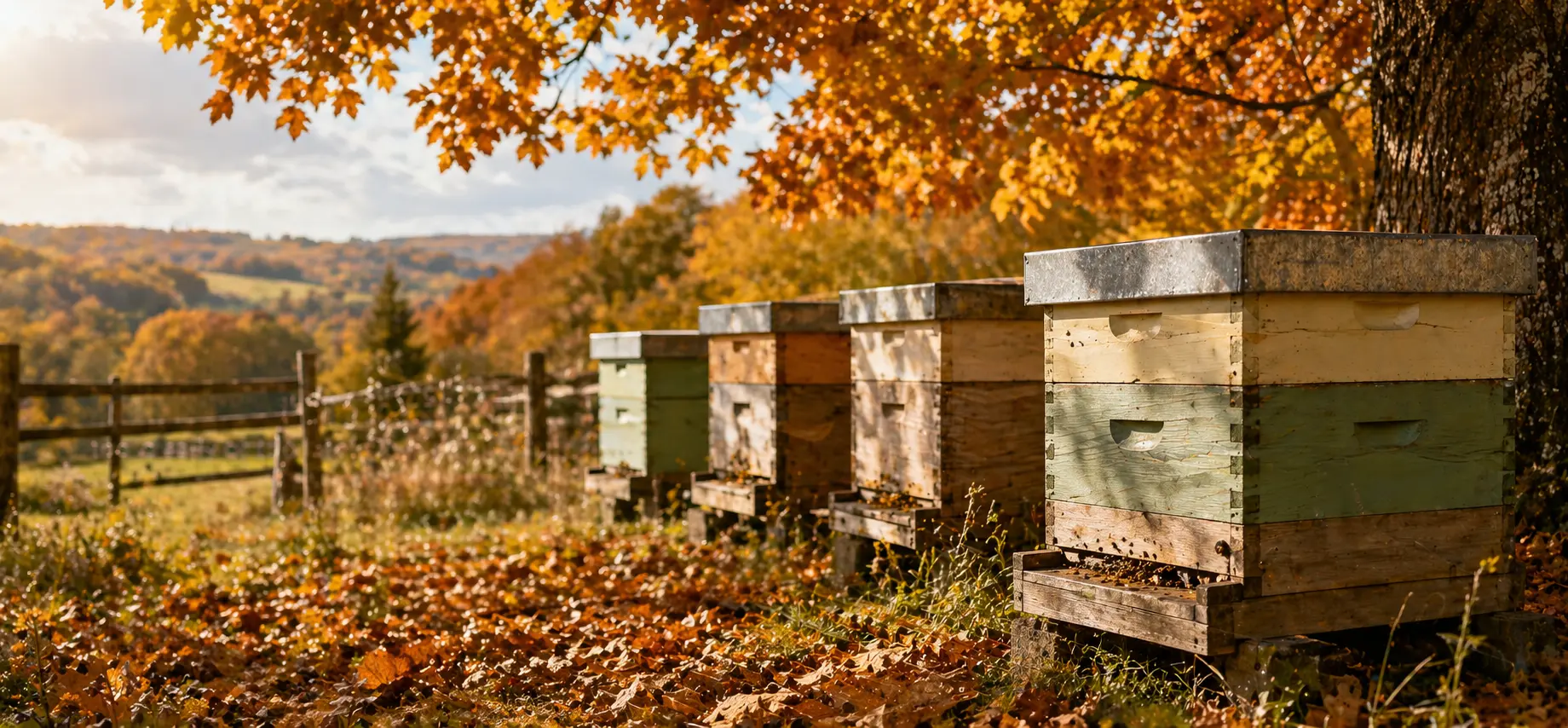
I chose a British National hive and have continued using that format. It is a popular hive type in the UK and is widely supported by suppliers and other beekeepers. Whatever hive type you choose, understanding the equipment and management requirements before purchasing can save both time and money.
Regular Hive Inspections
Hive inspections are one of the most important parts of beekeeping. They allow you to check that the queen is laying, the brood pattern looks healthy, the colony has enough food, and there are no obvious signs of disease or swarm preparation. Regular inspections also help identify potential hive problems before they become more serious.
If you are thinking about starting your own beehive, take your time and prepare properly. Learn the basics, speak to other beekeepers, think carefully about where the hive will go, and make sure you are ready for the responsibility. Exploring our collection of practical beekeeping advice can help you build confidence and avoid some of the common mistakes made by new beekeepers.
Join the Conversation
Beekeeping is all about learning from one another. Follow BeezKnees for more inspection notes, seasonal observations and practical beekeeping tips.