
Bee Health Checker
Bee Health Checker (UK) – Symptoms, Possible Causes and What to Do
Last updated: 15 August 2026
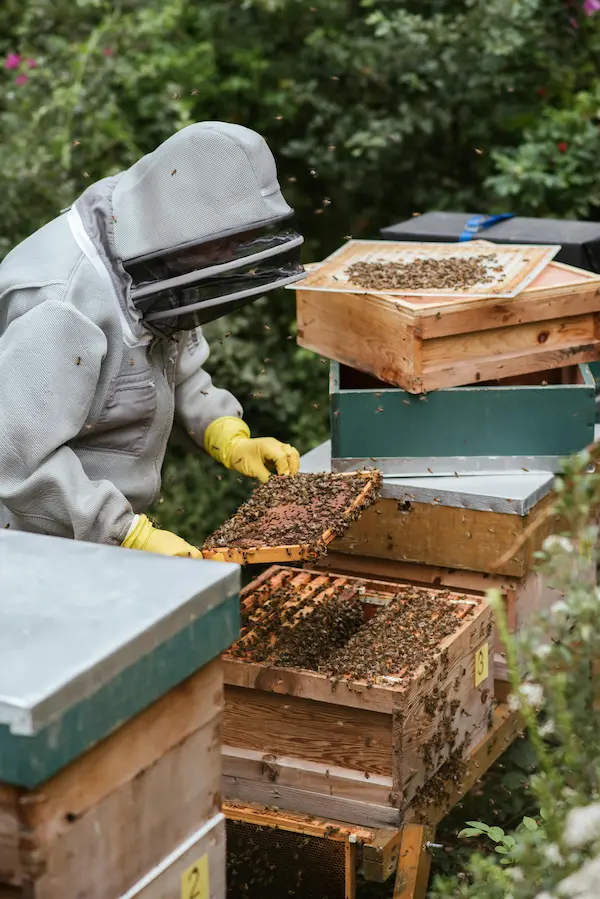
When something looks "off" in a hive, it helps to start with what you can see: brood pattern, cappings, bee behaviour, and what is on the floor and frames. This guide is designed as an educational, UK-style symptoms → possible cause → suggested next step checker.
It works best as a first-stop page that helps you move from "I'm worried" to "what exactly should I read next?". If you want a more guided route, use the interactive colony health triage tool. If the main issue seems to be brood quality or odd cappings, compare what you are seeing with the brood pattern guide.
Explore HiveTag
How to Use This Checker
Start with the most obvious symptom you can see, such as perforated cappings, mummified larvae, crawling bees, deformed wings or unusual brood. Compare it with the closest row in the table and read the possible causes alongside the suggested first action.
Use the links in the table to decide what to read next. For example, brood concerns may lead you to the brood pattern guide, mite and virus concerns may lead you to varroa management, and wider disease concerns may lead you back to the main bee diseases guide.
The safest approach is to slow down, isolate if necessary, reduce stress, record what you saw and avoid making irreversible decisions until the signs are clearer or you have received appropriate advice. If you cannot confirm what you are seeing, use the colony health triage tool before taking further action.
Red Flags (Act Immediately)
If you see ropy larval remains, sunken or perforated cappings, widespread melted larvae, a strong foul smell or unusual brood breakdown that you cannot explain, slow down and treat it seriously.
These signs may point towards a serious brood disease such as American foulbrood or European foulbrood. Do not move frames, bees or equipment off site, and avoid anything that could trigger robbing or spread material between colonies.
Record what you saw, take clear photos if it is safe to do so, and contact an inspector or follow the current BeeBase guidance route.
Symptoms → Possible Causes → Suggested Actions
Use this table as a practical guide. Many issues overlap, especially varroa, viruses and colony stress, so more than one row may apply. Your inspection notes matter as much as the symptom itself.
| Observed Symptoms | Possible Cause(s) | Suggested Action (Safe First Steps) |
|---|---|---|
| Sunken / greasy cappings, perforations, foul smell; larval remains can look "ropy" | American Foulbrood (AFB) (notifiable) | Stop inspection early. Isolate hive. Do not swap frames. Photograph and seek official confirmation. Avoid moving bees/equipment between apiaries. |
| Patchy brood pattern; larvae twisted or "melted", often before capping | European Foulbrood (EFB) | Reduce stress, ensure food, avoid over-manipulation, record, photograph and seek advice or inspection. |
| White/grey mummified larvae in cells or on floor | Chalkbrood | Improve ventilation and dryness. Replace badly affected comb. Avoid chilling brood. Consider requeening if repeated year-on-year. |
| Deformed/crumpled wings; poor flyers; colony dwindles late summer/autumn | Varroa and Deformed Wing Virus | Check mite levels promptly. Follow current product labels, manufacturer guidance and local regulations before using any treatment. Review your monitoring and treatment timing. |
| Bees trembling, crawling, unable to fly; sudden adult losses | Paralysis viruses, often linked with varroa pressure | Check varroa levels, reduce stress, ensure nutrition and avoid combining colonies unless you are confident you are not spreading a virus problem. |
| Hairless, shiny black bees; trembling; piles of crawling bees at entrance | Chronic Bee Paralysis Virus (CBPV) | Reduce overcrowding and stress. Improve ventilation and feeding if needed. Replace old comb where practical and keep notes over time. |
| Larvae look like a fluid-filled sac; head often raised; larvae turn yellow-brown | Sacbrood virus | Support the colony, reduce stress, avoid chilling brood and replace old comb if heavily affected. |
| Dysentery staining, crawling bees, reduced spring build-up | Nosema | Improve ventilation, reduce damp, check food, replace old comb where possible and monitor carefully. |
| Weak colony with comb tunnels, webbing, frass or damaged stored comb | Wax moth | Reduce unused space, strengthen the colony, remove badly damaged comb and store comb correctly between seasons. |
| Unusual beetles or larvae, slimed comb, fermenting smell or rapid comb damage | Small Hive Beetle | Treat as suspect and report promptly through official channels. Do not move bees or equipment until guidance is received. |
| Sudden empty hive feeling with queen present; food sometimes left; no single clear culprit | Colony loss or multi-factor decline | Review the timeline, including varroa monitoring, treatments, forage gaps, feeding, queen status, wasp pressure and disease signs. |
Download (Printable)
If you would like a version you can keep in your toolbox or take to the apiary, you can download the Bee Health Checker as a printable checklist.
View on Downloads Page Download PDF Download Word
Bee Health Checker FAQ
No. It is an educational symptom-to-action guide only. It does not diagnose disease, confirm colony conditions or replace advice from a bee inspector. Where notifiable diseases are possible, isolate the colony, avoid moving bees or equipment and seek official help.
Ascosphaera apis is the fungus that causes chalkbrood, so it is best presented as part of the Chalkbrood section, for example "Chalkbrood (caused by Ascosphaera apis)".
Yes. You can record what you saw during inspections, attach photos, and track follow-up actions over time in the Members Area.
What to Read Next
This page is designed to help you choose the most useful next guide, depending on what worried you during the inspection. If you are still unsure what category the issue falls into, start with the Colony Health Triage Tool.
If you have dead or dying bees outside the hive, read Dead Bees Outside the Hive. If the colony may be queenless, go to Queenless Colony – Signs & What To Do. If the brood looks patchy, uneven or suspicious, use the Brood Pattern Guide.
If varroa may be involved, go to the Varroa Management Guide. If the signs may point to foulbrood or another brood disease, read the Bacterial Diseases guide. If the issue seems virus-related, use the Viral Diseases section.
For treatment records and medicine record-keeping, use the Veterinary Medicine Records page.
Think of this page as a gateway rather than a final answer. Its job is to help you move from symptom spotting to the most relevant next guide, whether that is the colony health triage tool, the main bee diseases and pests guide, the brood pattern guide, the varroa management guide, or the inspection and hive management page.