

May Beekeeping UK
May Beekeeping in the UK – Swarm Control, Supers and Queen Cells
Last updated: 15 August 2026
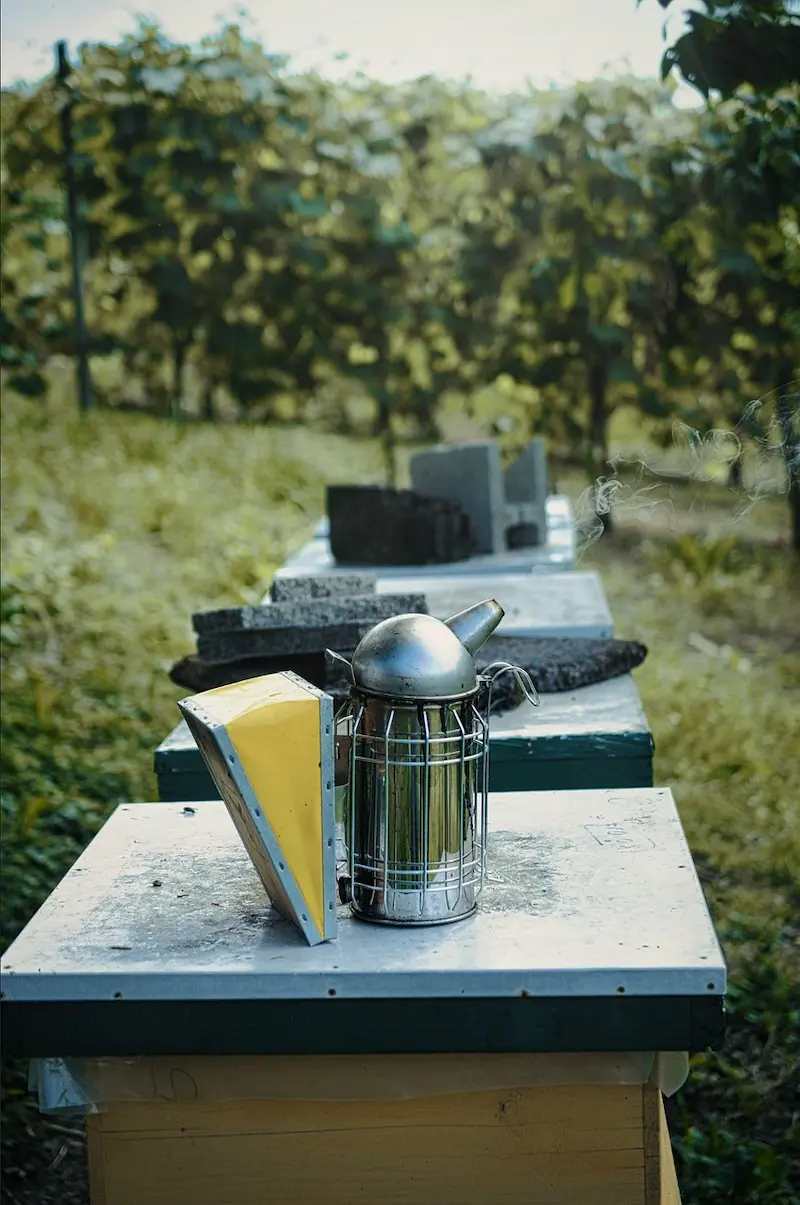
May is one of the busiest and most exciting months in the UK beekeeping calendar. Colonies can grow rapidly, nectar flows improve and swarm pressure rises. Weekly inspections, space management and clear records all become essential if you want healthy bees and a good honey crop.
This guide builds on the work done in March and April and forms part of the BeezKnees Year in the Apiary – monthly beekeeping calendar. It focuses on practical May beekeeping tasks in the UK, with an emphasis on swarm control, adding supers, queen management and keeping up with rapidly expanding colonies. If queen cells are appearing, this page also works well alongside our step-by-step inspections guide, the queen cell identification guide and swarm prevention as you move toward June.
May is the busiest part of spring build-up. For the full seasonal picture, see the Spring Beekeeping UK guide covering March, April and May.
May is when things speed up
Keep inspection notes before swarm season runs away from you
Reading the guide is useful, but May is the month when records start saving you time. Track queen cells, supers, splits and follow-up checks in one place so you can stay ahead of fast-moving colonies.
May at a Glance – Peak Spring Growth
Bee Behaviour
- Rapid build-up of brood and adult bees
- Strong foraging on oilseed rape and other spring flows
- Increased drone population and swarm impulse
Key Jobs for the Beekeeper
- Weekly inspections when weather allows
- Implementing swarm control when queen cells appear
- Adding and managing supers for expanding colonies
Risks to Watch
- Losing swarms between inspections
- Congested brood nests with insufficient space
- Neglecting records during the busy period
What Your Bees Are Doing in May
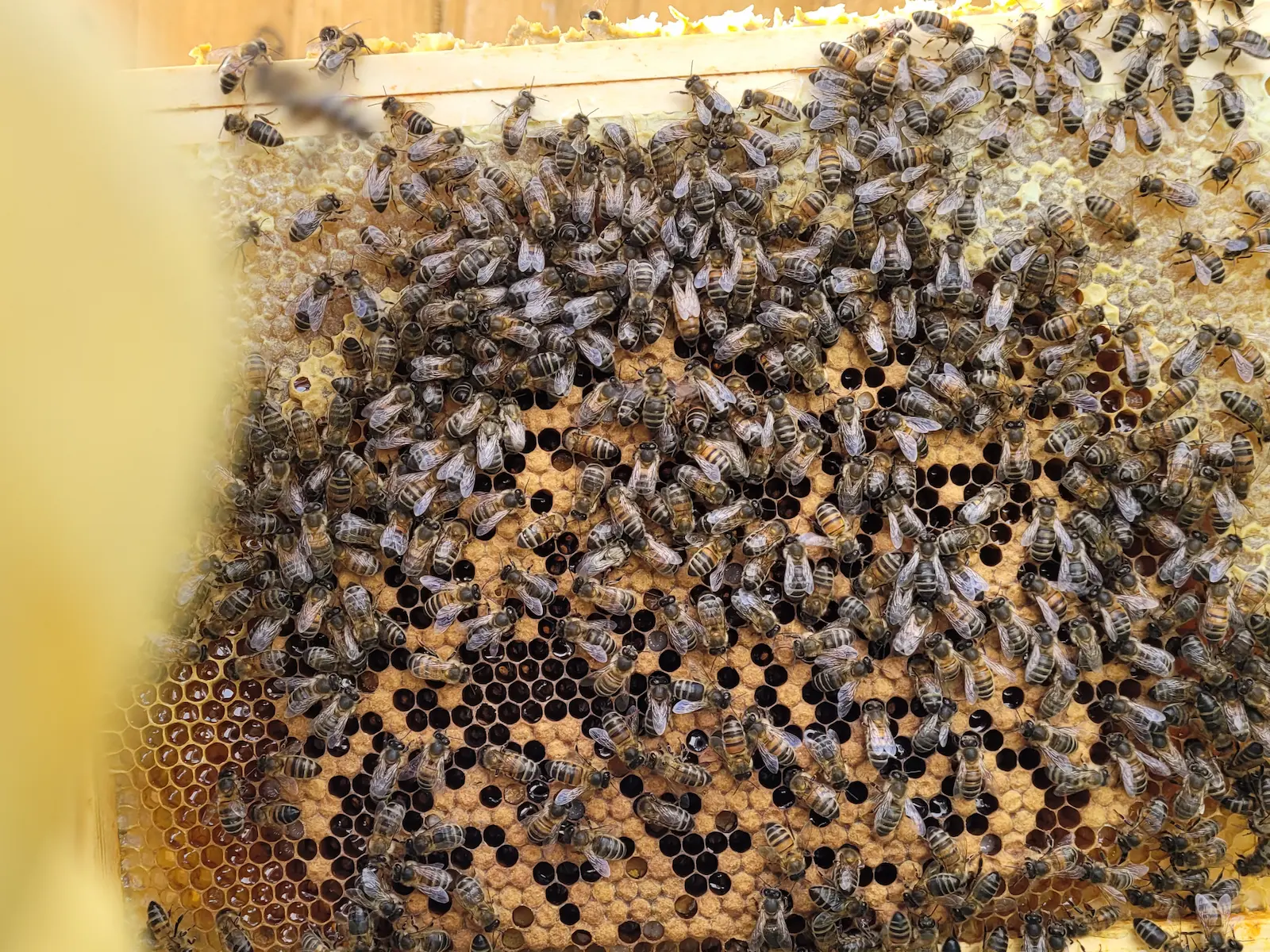
In many parts of the UK, May marks the main spring flow. Colonies that built up during April now have large brood nests and growing foraging forces. Bees may work oilseed rape, fruit blossom and a wide range of hedgerow and garden plants, depending on your location.
With this rapid expansion comes an increased risk of swarming if colonies feel cramped or if older queens are determined to reproduce. Your task is to balance giving the bees enough space with regular checks for queen cells, without over-handling the brood on cooler or unsettled days. This is where regular inspections and a clear swarm control plan start to work together.
Weekly Hive Inspections – Staying Ahead
In May, most beekeepers aim for inspections roughly every 7 days, and in some high-swarm areas a little more frequently if time and weather permit. The aim is to keep a close eye on queen cells, brood pattern, stores and overall colony mood.
- Confirm the colony is queenright – look for eggs and young larvae.
- Assess brood pattern and coverage – compact, healthy brood is a good sign.
- Look carefully along frame bottoms and edges for charged queen cells. If you are unsure what you are seeing, use this queen cell identification guide to distinguish between swarm, supersedure and emergency cells.
- Check that there is enough space for both brood and nectar – congested colonies are more prone to swarm.
- Keep an eye on temperament and note any sudden changes in behaviour.
You can find general inspection advice and handling tips in the hive management guide. For a more detailed inspection process, including what to look for frame by frame, see the step-by-step inspections guide and the brood pattern guide. If queen cells appear, move straight on to what to do if you find queen cells so you can decide on your next action calmly.
Do not lose the detail between inspections
Seen queen cups, charged cells or early swarm signs?
Log what you found immediately. In May, one missed note can mean one missed swarm. HiveTag helps you keep follow-up inspections and actions tied to the right colony.
Swarm Prevention and Control in May
May is prime swarm season in many parts of the UK. Good swarm prevention early in the month can significantly reduce the likelihood of losing bees later. Your inspections are now focused not just on health and stores, but on identifying and acting on queen cells in a controlled way.
- Decide which swarm control method you understand and are able to implement – for example, artificial swarm or nucleus splits.
- Ensure you have spare floors, brood boxes and frames ready before you need them.
- Keep good notes on which colonies show strong queen cell activity and when.
When queen cells are found, it is important not to panic. Follow your chosen method carefully and record exactly what you did. If you are unsure how to respond, review queen cells and swarm control to understand your options before acting. This will help you follow up on subsequent inspections and review what worked well. If you are unsure what the cells mean, start with what to do if you find queen cells, then compare your options in artificial swarm or split a hive.
Charged queen cells in May often mean you need to act quickly. Once cells become sealed, timing can run away from you, so it is important to understand capped queen cells and how close a colony may be to swarming. If you are seeing larvae in royal jelly, read the charged queen cells guide and make sure you have the equipment ready for your chosen swarm control method before the next inspection.
Adding Supers and Managing the Nectar Flow
During strong flows, bees can fill a super surprisingly quickly. Adding and managing supers in May helps prevent congestion and gives colonies room to store nectar and ripen honey.
- Add a super when bees are working most brood frames and nectar is coming in steadily.
- Drawn comb is ideal; if you are using foundation, be patient and ensure bees are strong enough to work it.
- Monitor how quickly supers fill and note any sudden slow-downs, which may indicate an end to a major flow.
For tips on handling supers, extracting and equipment choices, visit the equipment guide. Good super management can help ease pressure in strong colonies, but if queen cells are already present you will usually still need a clear swarm control plan. This becomes especially important as you move toward June and colonies begin showing the results of May decisions.
Replacing Frames and Managing Comb
May is a practical time to continue gradual comb replacement, especially if you have drawn brood frames ready. Replacing a portion of old comb each year helps reduce residue build-up and supports colony health.
- Aim to change a proportion of older frames each season – for example, 10–20% depending on your system.
- Consider building up a stock of drawn brood frames by allowing bees to draw foundation in a temporary second brood box.
- Store drawn comb carefully to protect it from wax moth and other pests.
More on comb hygiene and cleaning equipment can be found in the hygiene guide. It also helps to compare brood quality with the brood pattern guide when deciding which frames are no longer worth keeping in circulation.
Queen Management and Possible Queen Rearing
May is a natural time to review queen performance. Colonies are showing what they can do under good conditions, so you can begin to identify which queens you might want to keep, replace or use for queen rearing later.
- Note colonies with excellent brood patterns, calm behaviour and good productivity – these may be candidates for breeding.
- Pay attention to colonies that are consistently difficult to handle or under-perform, even in favourable conditions.
- If you are interested in queen rearing, May and June often offer suitable conditions for mating flights.
Local association groups and more advanced texts can provide step-by-step queen rearing methods if you decide to explore this area further. If you are managing colonies that have recently swarmed or been split, it also helps to understand the likely timeline for mating and laying by reading Virgin Queen Timeline. This becomes a very useful follow-on as you move into June and start reviewing outcomes from May swarm control decisions.
Checking Stores – Still Watching for Starvation
While May often brings good forage, it is still possible for colonies to become short of stores if the weather turns poor or a strong flow ends suddenly. Rapidly growing colonies consume a lot of food to maintain brood and adult bees.
- Continue to heft hives regularly between inspections.
- During inspections, check for sealed honey and nectar around and above the brood.
- Be prepared to respond quickly if a colony that was heavy last week feels surprisingly light this week.
Record Keeping, HiveTag and Learning from the Season
May can feel hectic. It is exactly at these busy times that clear, concise records become most valuable. Recording what you did and what you saw makes it much easier to review the season later and improve your decisions.
- Inspection dates and weather conditions.
- Notes on queen cells and any swarm control carried out.
- Dates when supers were added, moved or removed and how quickly they filled.
- Any comb replacement or major equipment changes.
Digital tools such as the HiveTag web app can make it easier to log these details against each hive, especially when you have multiple apiaries or a busy schedule. This becomes particularly useful in May when you may need to track queen cells, artificial swarms, splits and follow-up inspections across several colonies.
May is also a good time to keep learning – through local association meetings, study groups and trusted reading. Revisiting the guides on getting started and honeybee behaviour can help you interpret what you see on the frames with fresh eyes.
Busy month, better records
HiveTag is especially useful when May gets hectic
When you are juggling swarm control, supers, comb changes and follow-up checks, structured records make the whole season easier to manage. Keep each hive’s history together instead of relying on memory.
Forage and Helping Pollinators in May
May often brings a rich mix of forage: oilseed rape in some regions, fruit trees, hawthorn, horse chestnut and many garden plants. Supporting this abundance helps honey bees and a wide range of wild pollinators.
- Maintain and extend flower-rich areas in gardens and local spaces.
- Avoid using insecticides and herbicides that can harm bees and other insects.
- Provide clean water sources such as shallow dishes with pebbles or floating landing spots.
For more ideas, see the bee gardening guide and the wider Help the Bees section.
Emergency Scenarios – When Things Go Wrong in May
- Sudden loss of a queen during swarm control operations or manipulations.
- Missing a swarm between inspections and discovering a very depleted colony.
- Rapid changes in colony strength that may indicate disease or queen failure.
When serious issues arise, seek advice quickly – from experienced mentors, your local association or the National Bee Unit. The pages on bee diseases and bee stings and safety provide helpful background information for managing difficult situations safely.
May Beekeeping FAQ – UK Beekeepers
Many beekeepers aim to inspect every 7 days in May, with more frequent checks if swarm pressure is high and time allows. Regular inspections help you catch queen cells early and keep on top of space and stores.
The main focus is on swarm control, queen performance, brood health and space management. You are looking for eggs and brood, charged queen cells, congestion and any signs of disease or stress.
Add supers when colonies are strong and working most brood frames and nectar is coming in steadily. Adding supers slightly early is usually better than waiting until bees are crowded and swarm pressure is high.
Yes. As long as colonies remain strong, you can continue planned frame replacement. Make changes gradually and avoid removing too much brood or stores in one go.
First, record what you see. Then apply your chosen swarm control method calmly and consistently. Having read up and prepared equipment in advance makes this much easier. Start with What to Do If You Find Queen Cells if you need a clear next step.
Keep to a regular inspection schedule, ensure colonies have adequate space, understand a small number of proven swarm control methods and keep clear records of when queen cells were last seen and what actions you took.
Direct them to calm, factual information such as the Report a Swarm page, which explains what swarms are, why they occur and how to contact trained swarm collectors.
The HiveTag web app lets you record inspections, queen cells, splits, supers and treatments in a structured way. That makes it easier to review what you did later and compare colonies over the season.
Yes, particularly if a major flow ends suddenly or bad weather keeps bees inside for several days. Keep checking hive weight and be ready to act if stores fall quickly.
Use this guide alongside the other Year in the Apiary pages and the broader beekeeping guides to build a clear month-by-month picture of what your bees need.
Most beekeepers will want to continue into June as swarm outcomes, honey flow and queen performance become clearer, or use the full Year in the Apiary calendar to follow the month-by-month beekeeping season through spring and summer.
From reading to action
Use HiveTag alongside the May guide
Keep this page for reference, then record inspections, swarm actions, queen-cell findings and super changes as they happen. That is where the value builds up across the season.
What to Read Next from This May Guide
If you are finding queen cells, making splits or carrying out swarm control, the next pages to read are April Beekeeping Tasks, Queen Cell Identification Guide, Queen Cells & Swarm Control, Swarm Prevention, Split Methods, Artificial Swarm, After a Split and June Beekeeping Tasks.
Use this May guide together with the rest of the Year in the Apiary calendar to keep your beekeeping organised and responsive through the busiest part of the season. From here, continue into June, revisit April if you are reviewing how swarm pressure built, and use key support pages such as step-by-step inspections, swarm and queen management, queen cell identification, feeding bees and after a split to connect May swarm control with the season ahead.