
January Beekeeping UK
January Beekeeping UK – Winter Checks, Fondant and Spring Preparation
Last updated: 15 August 2026
In the UK, January is one of the quietest months in the apiary – but it still plays a crucial role in your year-round beekeeping. The bees are clustered, brood is often limited and the weather can be unforgiving. Rather than full inspections, the focus shifts to keeping colonies secure, well-fed and as stress-free as possible, while you prepare equipment and plans for the season ahead.
This page is part of the BeezKnees Year in the Apiary – monthly beekeeping calendar. It summarises what your bees are doing in January, practical weather-based guidance, a checklist of key jobs and ways to support your colonies through winter. If stores are running low, this is also a good time to review feeding bees, check your wider varroa treatment timing and prepare for spring inspections as you move toward February.
January sits in the middle of the main winter beekeeping period. For the wider seasonal picture, see the Winter Beekeeping UK guide covering December, January and February.
January is all about quiet winter support
Keep winter checks, fondant notes and early spring prep in one place
When the apiary is mostly hands-off, the useful work is often in your notes — which hives felt light, which have already had fondant, and what equipment still needs sorting before spring. HiveTag helps keep that organised.
January at a Glance – What Matters Most
Bee Behaviour
- Clustered on remaining stores
- Little or no foraging except on mild days
- Brood area small or temporarily broodless
Key Jobs for the Beekeeper
- Heft hives and add fondant if needed
- Check roofs, straps and stands after storms
- Complete winter varroa treatment if due
Risks to Watch
- Starvation if stores are not monitored
- Storm damage to roofs, straps or stands
- Disturbing the winter cluster unnecessarily
What Your Bees Are Doing in January
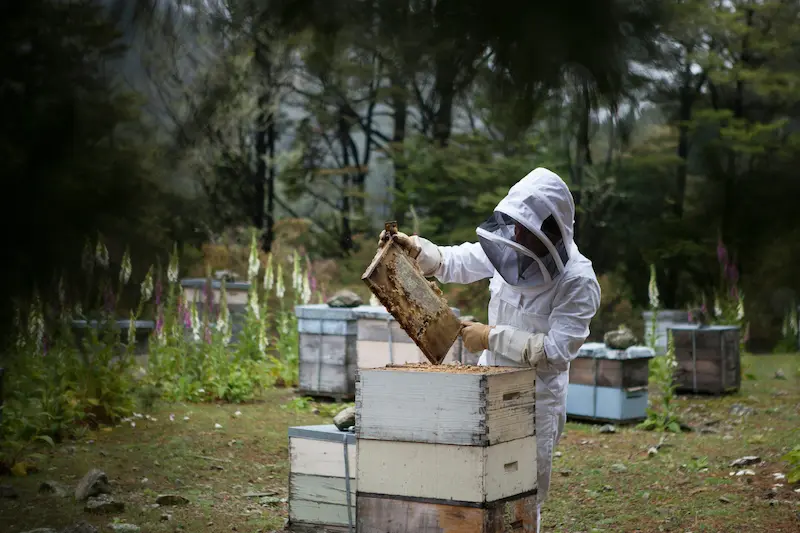
Inside the hive, bees form a tight cluster around any remaining stores and, where present, a small patch of brood. They generate heat by vibrating their flight muscles, gradually consuming honey or syrup. On still, sunny days above flying temperature, you may see cleansing flights – short trips to defecate away from the hive.
A healthy colony at this time of year usually appears calm from the outside: occasional flights on mild days, a steady background hum when you listen at the entrance and no unusual debris on the landing board. If a hive is silent, very light when hefted or shows signs of disturbance, it may need closer attention.
January Weather and Hive Checks
January weather in the UK is typically cold, damp and unsettled. Strong winds, heavy rain and overnight frosts are more of a threat than deep snow for many beekeepers. Rather than routine inspections, most of your work is about ensuring hives remain safe and weatherproof.
- After gales – check roofs, straps and stands for movement.
- After prolonged rain – ensure water is not pooling around hive stands.
- After snow or frost – make sure entrances are clear of ice, dead bees or vegetation.
A quick visual check from the outside, combined with a gentle heft from the back or side, tells you most of what you need to know in January. Save full inspections for spring, when temperatures are consistently suitable – see the step-by-step hive inspections guide for inspection timing and technique, use the hive management guide for wider colony care, and review hygiene if winter damp, debris or equipment condition are becoming concerns.
January Beekeeping Checklist – UK Monthly Tasks
- ✅ Heft each hive to assess food reserves.
- ✅ Add fondant above the cluster if a colony feels light.
- ✅ Check straps, bricks and roofs after storms.
- ✅ Confirm entrances are clear and mouseguards secure.
- ✅ Complete any planned winter varroa treatment if not yet done.
- ✅ Tidy the apiary, trim vegetation and clear debris around stands.
- ✅ Work through winter DIY jobs – frames, boxes and equipment repairs.
- ✅ Catch up on record keeping and review notes from the previous season.
You can find more on inspections, feeding and seasonal maintenance in the hive management and hygiene guides.
Feeding Bees in January – Fondant and Food Reserves
Ensuring that bees have sufficient food reserves is one of the most important winter tasks. Colonies rely on stored honey or syrup to fuel the cluster and maintain brood when the queen resumes laying. A strong colony can consume several kilograms of stores over the month, especially towards the end of winter.
- Heft the hive from the back or side and compare with earlier in winter.
- If it feels noticeably lighter, consider adding a block of fondant above the cluster – often under an upturned feeder or eke.
- Re-check at intervals during cold spells. It is easier to prevent starvation than to rescue a starving colony.
For a deeper look at fondant, syrup, seasonal feeding decisions and when each approach is appropriate, see feeding bees and the hive management guide.
Fondant decisions are easier when your notes are clear
Track which colonies felt light and what feed you have already given
In winter it is easy to forget which hive was borderline last week and which one already had fondant added. HiveTag makes those winter checks easier to follow across the whole apiary.
Varroa and Disease Management in January
January is often a broodless or low-brood period, which can make certain varroa treatments more effective. Many UK beekeepers use this window for an oxalic acid-based treatment, following current guidance and manufacturer instructions. With fewer capped cells, more mites are exposed on adult bees.
- Only use approved products and follow label instructions carefully.
- Do not treat honey supers intended for human consumption.
- Record the date and product used in your hive notes so you can track treatment history.
Keep an eye out for signs of disease such as unusual smells, dead bees around the entrance or suspect brood once inspections resume. The diseases and pests overview, varroa management, Varroa Treatment Calendar (UK) and hygiene guide explain these topics in more detail.
Equipment Preparation, DIY Jobs and Planning Ahead
January is a natural time to move some of your beekeeping indoors. Many of the jobs that save time in spring can be tackled now, when the apiary itself needs only quick external checks.
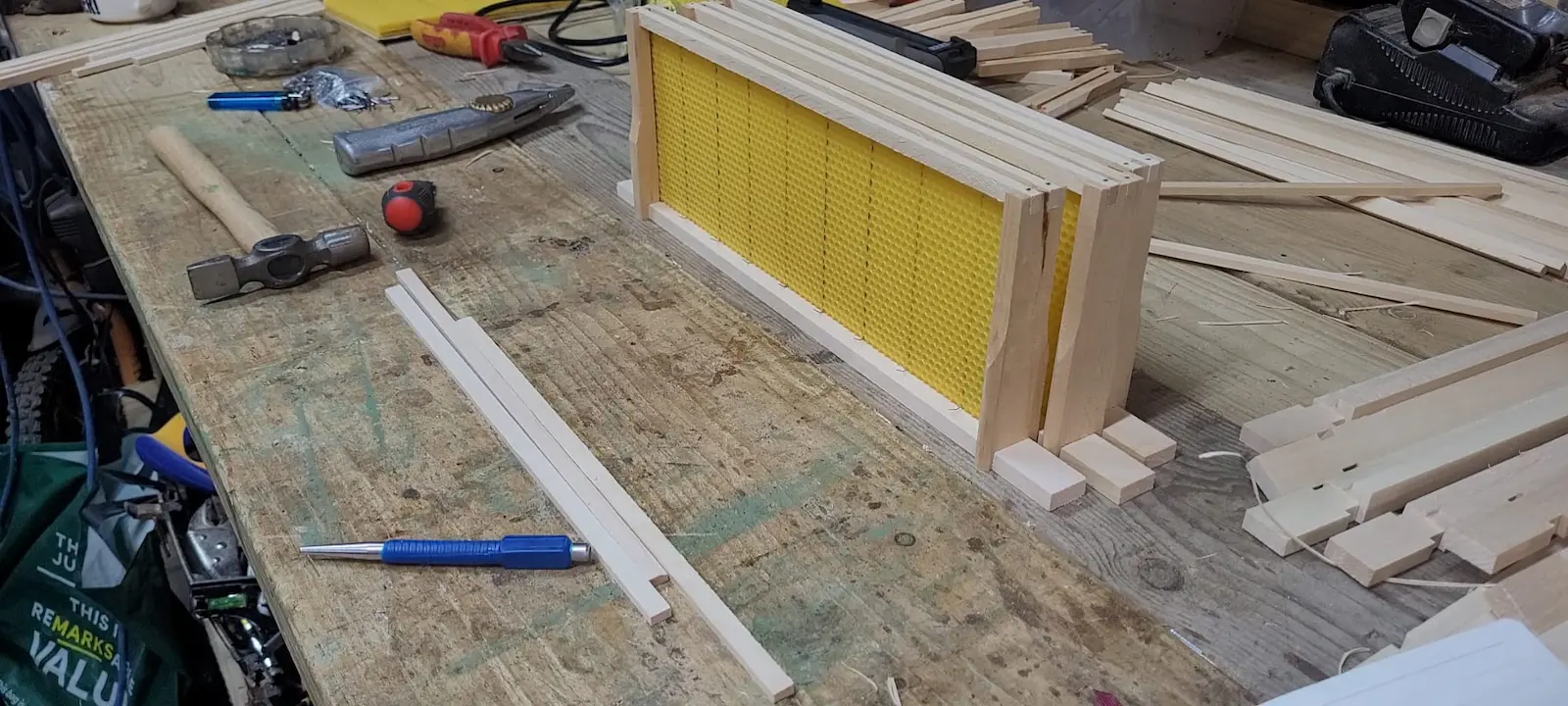
- Assemble new brood and super frames.
- Repair or repaint boxes, floors, roofs and stands.
- Sort and label spare kit ready for splits or nucs.
- Check and clean smokers, hive tools, feeders and protective clothing ready for the new season.
For ideas on tools, spare kit and pre-season preparation, explore the equipment and tools guide.
Record Keeping – Using Notes and HiveTag in January
Good records turn winter checks into useful information. Notes from the previous season on colony strength, temperament, disease history and feeding make it much easier to judge winter risks and decide which colonies need extra care.
- How heavy each hive feels when you heft it in January.
- When you added fondant and roughly how much was taken.
- Dates and products used for varroa treatments, and any issues you noticed.
- Weather events that may affect hives – storms, prolonged rain or cold snaps.
Some beekeepers are happy with a notebook in the bee shed; others prefer a more structured approach. Digital tools such as the HiveTag web app make it easier to log inspections, feeding, treatments and hive locations so that patterns become clearer over time across your whole apiary.
Turn winter notes into a better spring start
Use HiveTag to keep January records simple and consistent
Weight checks, fondant use, winter treatment dates and storm notes are all useful later — especially once spring build-up begins and you want to compare how colonies came through winter.
Learning, Educational Events and Winter Reading
January is also a good time to invest in your own knowledge. With less hands-on work in the apiary, you can use the quieter weeks to strengthen your beekeeping skills and plan the year ahead.
- Attend local association meetings, winter lecture series or online webinars.
- Read up on topics such as swarm control, queen rearing or honey bee diseases so the concepts are clear before the season becomes busy.
- Review trusted resources like BeeBase and your association newsletters for up-to-date guidance.
- Work through structured guides such as Getting Started or more detailed pages on hygiene, varroa and hive management.
Time spent learning in January often pays off later in the year, when decisions about swarm control, supers and disease management need to be made quickly and confidently. Late winter preparation now makes the transition into February smoother, and helps you approach March with stronger colonies, better equipment and a clearer plan for spring build-up.
Pests and Wildlife to Watch For in January
Most flying pests are quiet in mid-winter, but there are still a few things to keep an eye on:
- Mice: Ensure mouseguards are fitted and entrances are not chewed or widened.
- Woodpeckers: In some areas, hives may need protection such as netting or temporary wraps.
- Livestock and pets: Check hives are protected from rubbing, knocking or scratching by animals.
More detail on pests and predators is available in the bee pests guide.
Garden and Forage – Supporting Bees in January
There are fewer natural food sources in January, but you can still plan and plant with bees in mind. Winter-flowering heather, mahonia, hellebores, crocus and winter-flowering honeysuckle can all provide valuable nectar and pollen during milder spells.
- Plant clumps of early crocus and snowdrops near the apiary.
- Add winter-flowering shrubs such as mahonia to provide nectar in cold months.
- Plan a succession of flowering plants to support pollinators all year.
See the bee gardening guide and Help the Bees for more ideas on creating wildlife-friendly spaces.
Emergency Scenarios – When Things Go Wrong in January
- Heft is very light, or you see bees head-first in cells.
- Act immediately – add fondant directly over the cluster.
- Avoid prolonged opening of the hive; work quickly and gently.
If a colony has died out, try to understand why. Check for obvious disease, high varroa levels or signs of queen failure, then secure the hive to prevent robbing until you can decide how to handle the remaining combs. The bee diseases and pests section and bee stings and safety page both include advice on working safely and knowing when to seek further guidance.
January Beekeeping FAQ – UK Beekeepers
Usually, no. Most checks in January can be done from the outside – listening, watching for flights, checking entrances and hefting. Only consider briefly lifting the crownboard if you have a specific reason and the weather is mild and calm.
In mid-winter, fondant is generally preferred because bees can eat it without having to process water, which would create unnecessary moisture and effort. Syrup is more suitable for autumn feeding when temperatures are higher.
Unless absolutely necessary, avoid moving hives in winter. If you must move them, do so on a cold day when bees are tightly clustered and keep the move short and gentle to minimise disturbance.
Swarm control itself does not start until spring, but January is the time to make sure you have spare equipment, extra frames and a clear plan for how you will manage strong colonies once the season begins. See the hive management guide for swarm control methods.
Not necessarily. In cold, wet or windy weather, colonies may remain inside for long periods. The key checks are hive weight, security and signs of life when you listen close to the entrance.
Most beekeepers will want to continue into February for late-winter checks, or use the full Year in the Apiary calendar to follow the month-by-month beekeeping season from winter through to summer and autumn.
Keep this winter guide open, then log what you see
Use HiveTag alongside your January hive checks
Track winter weight checks, fondant use, treatment dates and early spring preparation in one place so the quiet season still gives you useful information once inspections restart.
What to Read Next from This January Guide
If you are planning late-winter checks, reviewing treatment timing or getting equipment ready for spring, the next pages to read are February Beekeeping Tasks, Varroa Treatment Calendar (UK), Beekeeping Equipment and Hive Hygiene.
Use this January guide alongside the rest of the Year in the Apiary calendar to build a clear, weather-aware routine for your bees throughout the year. From here, continue into February, revisit December if you are checking your winter setup, and use key support pages such as feeding bees, Varroa Treatment Calendar (UK) and step-by-step inspections to connect winter care with the season ahead.