
When to Call a Bee Inspector (UK)
When to Call a Bee Inspector in the UK
Last updated: 15 August 2026
Most colony problems can be investigated through careful inspection, mentoring and good records. However, some signs are serious enough that you should seek official advice, especially where foulbrood or a notifiable pest may be involved.
A bee inspector can help when the symptoms suggest a serious brood disease, repeated unexplained colony losses, or a possible notifiable pest concern. If in doubt, it is safer to ask for advice before moving bees, brood frames, honey, supers or equipment.
Call or Seek Advice Urgently If You Suspect Foulbrood
Suspicious brood signs include sunken or perforated cappings, ropy or melted larvae, unpleasant smells, abnormal brood colour, patchy brood combined with colony decline, or anything that looks unlike normal brood development.
If foulbrood is possible, avoid moving frames, bees, honey or equipment between colonies. Compare what you are seeing with American Foulbrood, European Foulbrood and Foulbrood vs Chalkbrood, but do not delay seeking official advice if the signs are worrying.
Other Reasons to Seek Bee Inspector Advice
Bee inspectors are not only there for confirmed foulbrood cases. They can also help when a colony shows unusual signs that do not fit normal seasonal behaviour or common management problems. Many newer beekeepers delay seeking advice because they worry about overreacting, but early guidance can prevent disease spread and reduce the risk of losing additional colonies.
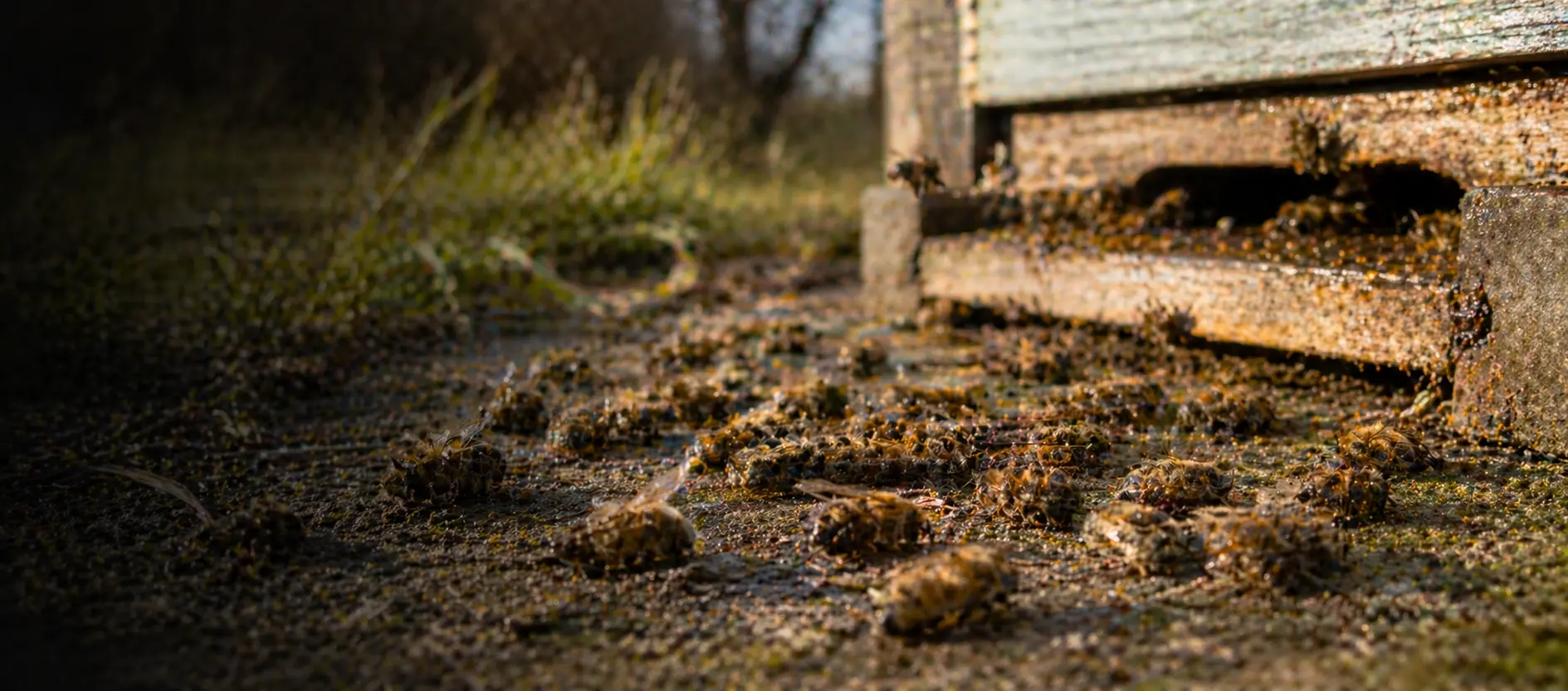
Unusual colony losses affecting more than one hive should always be taken seriously, especially if the decline appears sudden or unexplained. Colonies collapsing rapidly in late summer or autumn may be suffering from severe varroa pressure and associated viruses, while spring losses may sometimes involve starvation, queen failure, damp conditions or disease. If several colonies in the same apiary begin showing similar symptoms, it is sensible to seek experienced advice rather than assuming the problem will correct itself.
Serious brood abnormalities are another reason to contact a bee inspector or experienced local support network. Patchy brood alone does not always mean foulbrood, as poor weather, chilled brood, failing queens and nutritional stress can also affect brood patterns. However, if larvae appear twisted, melted, discoloured, sunken, perforated or unusually wet, you should not ignore the signs. A colony that smells unpleasant, weakens rapidly or shows widespread brood death deserves closer investigation.
Bee inspectors may also need to be contacted if you suspect a notifiable pest concern. While many pests are common and manageable in UK apiaries, some threats require official monitoring and rapid reporting. If you discover something unusual within comb, stored equipment or hive debris that does not resemble normal wax moth, varroa or other familiar pests, it is safer to seek advice before moving equipment between apiaries.
Repeated unexplained colony collapse can sometimes indicate deeper management or disease issues that are difficult to identify during routine inspections. Colonies may dwindle gradually, fail to build up properly, abandon brood or suddenly disappear. In some situations the problem may relate to queen quality, chronic varroa damage, starvation or robbing pressure, but where the cause is unclear, official guidance can help narrow down the possibilities and prevent repeated losses.
You should also trust the judgement of experienced mentors, association members or nearby beekeepers. If someone with experience advises you that a colony looks suspicious or potentially serious, it is usually worth following up. Seeking advice early is far better than waiting until neighbouring colonies are potentially affected or the signs become impossible to ignore.
What to Do Before Moving Equipment
If you suspect a serious disease problem, avoid moving bees, brood frames, supers, tools or equipment until you are more confident about the cause. Many bee diseases spread through contaminated comb, drifting bees, robbing activity or shared equipment, and moving items between colonies too early can accidentally spread infection across an entire apiary.
The safest approach is to keep the affected colony isolated while you assess the situation. Avoid swapping frames between hives, avoid combining colonies and avoid reusing suspect equipment elsewhere. Even well-intentioned actions such as giving weak colonies brood or stores from another hive can increase the risk of spreading disease if the underlying problem has not been identified properly.
Hive tools, gloves and inspection equipment should also be cleaned carefully after inspecting suspicious colonies. Basic hive hygiene becomes especially important when dealing with brood disease concerns. Disposable gloves, washing soda solutions and careful handling routines can help reduce cross contamination between colonies during inspections.
Taking clear notes and photographs can also be extremely useful. Record what the brood looks like, whether there are smells present, how many frames are affected and whether adult bees appear healthy or stressed. Good records make it easier to compare changes over time and can help bee inspectors or experienced beekeepers understand the situation more quickly.
Before contacting a bee inspector, it can help to compare symptoms against trusted reference material. The Bee Health Checker and Colony Health Triage Tool may help organise what you are seeing and narrow down possibilities, particularly when trying to separate common brood problems from more serious disease concerns.
Most importantly, avoid panic. Many brood problems turn out to be manageable conditions linked to weather, queen performance, nutrition or varroa pressure rather than notifiable disease. However, taking sensible precautions early protects both your own bees and nearby apiaries while the cause is being investigated.
What to Read Next
For disease signs, start with the Honey Bee Diseases and Pests hub, then compare with Bacterial Diseases, Brood Problems in Bees and Foulbrood vs Chalkbrood.
Bee Inspector FAQ
You should seek bee inspector advice if you suspect foulbrood, see serious or unusual brood disease signs, have repeated unexplained colony losses, or think a notifiable pest may be involved.
No. If serious disease is possible, avoid moving brood frames, honey, supers, bees or equipment between colonies until you have identified the problem or received suitable advice.
No. Patchy brood can be caused by queen problems, chilled brood, poor weather, varroa pressure or nutritional stress. However, sunken cappings, ropy larvae, unusual smells or melted brood should be taken seriously.
Keep the colony isolated, avoid swapping equipment, take clear photos, record what you are seeing and clean tools or gloves before inspecting other colonies.