
Charged Queen Cells
Charged Queen Cells: What To Do (UK)
Last updated: 15 August 2026
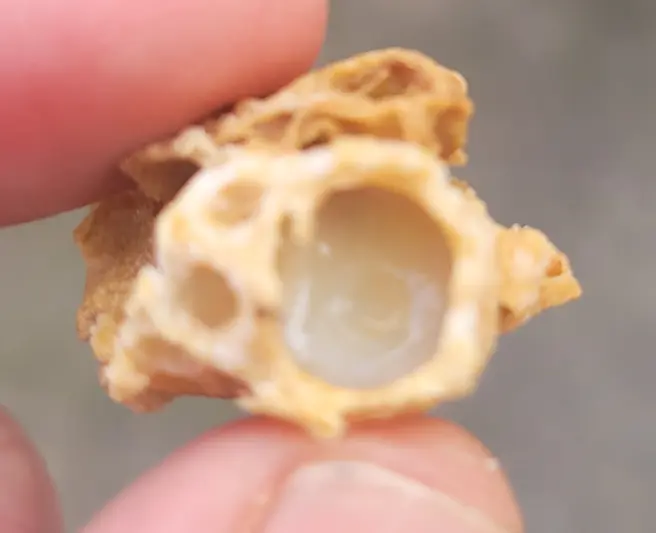
Finding charged queen cells during an inspection is one of the clearest signs that your colony is actively raising a new queen. Unlike empty cups, which may come and go without meaning much, a charged queen cell contains a larva being fed royal jelly. At this point, the colony has made a decision, and your role is to understand why and respond appropriately.
This guide explains what charged queen cells mean, how urgent the situation is, and what your options are as a UK beekeeper. If you are unsure about identifying queen cells, start with the Queen Cell Guide before using this page. This page forms part of the wider Swarm & Queen Management hub, which links queen cell stages, swarm control methods and queen-related decisions.
Charged Queen Cells at a Glance
If you are still deciding whether what you found is only a cup, a charged cell or a capped cell, compare this page with the Queen Cells Guide first.
What It Means
- Larva present with royal jelly
- The colony is actively raising a queen
- The process has clearly begun
Timing
- You are earlier than the capped stage
- You still have time to act
- But not unlimited time
Your Priority
- Work out why the colony is doing this
- Decide your plan before the next inspection
- Avoid reactive decisions
What a Charged Queen Cell Means
A charged queen cell is one that contains a larva and is being actively fed royal jelly. This is the key point where a queen cell becomes meaningful. Up until this stage, cups may have appeared and disappeared without consequence, but once a cell is charged, the colony has committed to raising a new queen. If you need to compare this with earlier-stage cups, use Queen Cups.
This does not automatically mean the colony will swarm. Charged cells can appear in three main situations: swarm preparation, supersedure, or emergency queen replacement. The challenge is understanding which of these is happening. To compare those patterns, see Queen Cells & Swarm Control, Supersedure Queen Cells and Emergency Queen Cells.
How Urgent Is It?
Compared to capped queen cells, you still have some time to think and act. However, the window is limited. A charged cell can be capped within a few days, especially in warm spring conditions, and once that happens, your options begin to narrow.
This is why charged cells are often the best stage to make decisions. You are late enough to know something is happening, but early enough to influence the outcome. This is the ideal point to use What To Do If You Find Queen Cells with your chosen swarm-control method.
The Queen Cell Timeline page shows how quickly this stage progresses. If you delay too long, your next stop may be Capped Queen Cells – What To Do.
First Checks to Make
Before taking action, take a moment to read the colony properly. The biggest mistake at this stage is assuming all charged cells mean the same thing.
- Are there fresh eggs present?
- Is the queen still present?
- How many cells are there?
- Where are they located (edges or face of comb)?
- Is the colony strong and congested?
These clues will help you decide whether you are dealing with swarm preparation, supersedure or an emergency situation. If the queen is not obvious, also see Can't Find Queen and Queenless or Supersedure?
If They Are Swarm Cells
If the colony is strong, crowded, and building multiple charged cells — particularly along the lower edges of frames — this is often a sign of swarm preparation. At this stage, doing nothing usually means the colony will swarm.
This is the ideal point to carry out swarm control. You still have time to intervene effectively before the cells are capped and the colony becomes harder to manage. This is why charged cells often act as the bridge between diagnosis and action.
Methods such as artificial swarms or splitting the colony can relieve pressure and help you retain your bees. If you are new to this, see the Artificial Swarm for Beginners, How to Split a Hive or Split Methods guides.
If They Are Supersedure Cells
If there are only one or two cells, often on the face of the comb, and the colony otherwise seems calm, the bees may be replacing a failing queen. In this situation, the colony is not preparing to swarm but to improve itself.
In many cases, the best option is to allow the colony to continue. Interfering too early can disrupt a process that the bees are managing well.
See Supersedure Cells – Should You Leave Them? for more detail, and compare it with Supersedure Queen Cells if you want a clearer diagnosis before acting.
If They Are Emergency Cells
If there are no eggs and the colony appears queenless, the cells may be emergency queen cells. These are raised quickly to replace a lost queen, and removing them without an alternative plan can leave the colony unable to recover.
Unless you are introducing a new queen or combining colonies, it is often safest to allow the colony to continue raising its own queen.
See Emergency Queen Cells Explained for a full explanation, especially if you are trying to decide whether the colony is genuinely queenless or still in transition.
What Happens Next?
Once a queen cell is charged, it will usually be capped within a few days. After that, the queen continues developing until emergence, followed by mating and eventually egg-laying. That is why this page sits at such an important middle stage in the whole queen-cell sequence.
This is why charged cells are such an important decision point. If you wait too long, you may find yourself dealing with capped cells and fewer options.
If you already have capped cells, see Capped Queen Cells – What To Do. For the full timing bridge from charged to capped to emergence, keep the Queen Cell Timeline linked closely to this page.
Common Mistakes
The most common mistake is ignoring charged cells and hoping the situation resolves itself. Another is assuming that removing the cells will stop swarming, when in reality the colony may simply produce more. This is exactly why charged cells should lead to a proper decision, not just a quick reaction.
Some beekeepers also act too quickly without understanding the colony's condition. The goal is not just to react, but to make a decision that matches what the colony is trying to do.
Charged Queen Cells FAQ
Not always. They can also indicate supersedure or emergency queen replacement. Context is key.
Not automatically. Removing them without understanding the situation often leads to repeated cell building or other problems.
Usually within a few days, depending on conditions and the age of the larva.
Yes — this is often the ideal stage to make decisions before options become more limited.
Charged queen cells are your early warning sign. They give you a chance to understand what the colony is doing and guide the outcome before the situation becomes more urgent. Taking the time to read the colony properly at this stage can prevent much bigger problems later. This page works best between the Queen Cells Guide, What To Do If You Find Queen Cells, Queen Cells & Swarm Control and the Queen Cell Timeline.