
Supersedure in Bees – Signs, Queen Cells and What To Do
Last updated: 15 August 2026
Supersedure is the natural replacement of a queen by the colony. It usually happens when the bees sense that the existing queen is failing, damaged, poorly mated, old or no longer producing the right signals for the colony.
Unlike swarming, supersedure is not usually about colony reproduction. It is about replacing the queen while keeping the colony functioning. This is why it can be risky to remove queen cells before you understand what the bees are trying to do.
This guide sits within the Swarm & Queen Guides section and links closely with queenless or supersedure, queen failing signs, queenless colony decisions, virgin queen timing and brood problems in bees.
What is supersedure?
Supersedure happens when the colony raises a new queen to replace the existing queen. The old queen may continue laying while the new queen is being raised, and in some cases both queens may briefly be present in the hive.
The colony usually does this because it detects a problem with the current queen. The issue may be poor laying, reduced queen pheromone, physical damage, age, failing fertility or a general decline in colony performance linked to the queen.
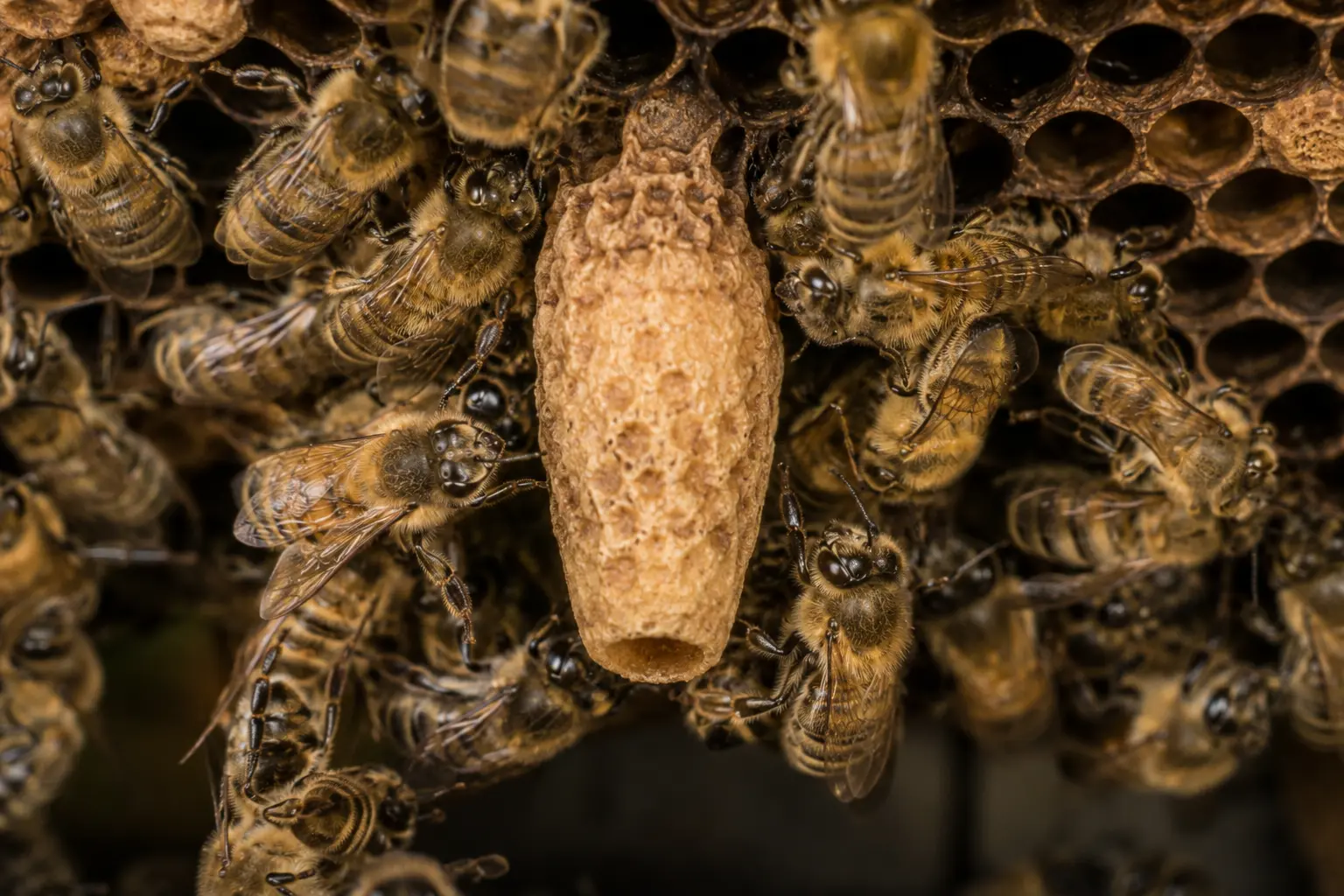
What supersedure queen cells look like
Supersedure cells are often fewer in number than swarm cells. They are commonly seen on the face or middle area of the comb, although position alone is not enough to be certain. Colony behaviour, queen status and timing matter just as much.
A likely supersedure situation is often calmer than a swarm preparation situation. You may find one or two queen cells, the existing queen may still be present, and the colony may not show the same strong congestion or swarm drive.
If you are unsure whether the colony is queenless, superseding or preparing to swarm, compare this page with queenless or supersedure, supersedure queen cells and queen cells guide.
Why bees supersede a queen
Bees may supersede a queen because she is old, poorly mated, damaged, failing to lay properly or no longer maintaining the colony strongly enough. A weakening brood pattern, poor build-up or unexplained colony decline can all make supersedure more likely.
Supersedure can also follow handling damage, stress, interrupted laying or an underlying queen problem that becomes more obvious as the season progresses. If brood pattern is poor, read queen failing signs before deciding whether the queen is the main issue.
Supersedure vs swarming
Supersedure and swarming are often confused because both involve queen cells. The difference is the colony’s intention. Supersedure is queen replacement. Swarming is colony reproduction, where part of the colony leaves with a queen.
Swarm preparation is more likely where the colony is strong, crowded, seasonally ready to swarm and has multiple queen cells. Supersedure is more likely where the colony is replacing a poor queen and does not show the same clear swarm build-up pattern.
Do not judge from queen cell position alone. Use colony strength, brood pattern, queen status, weather, season and the number of cells together.
What should you do?
In many cases, the best action is to leave the colony alone and allow supersedure to complete. Destroying supersedure cells can leave the colony stuck with a failing queen and no replacement route.
Check whether the existing queen is still present, whether eggs are still being laid, how many queen cells are present and whether the colony looks more like a swarm case or a queen replacement case. Then record what you found and avoid repeatedly disturbing the colony during the replacement period.
If the colony is weak, queenless, diseased or outside a sensible mating window, the decision may be different. In that case, compare with queenless colony: what to do and missing queen: what to check.
How long does supersedure take?
Once a queen cell is sealed, the new queen still has to emerge, mature, mate and begin laying. Weather can delay mating flights, so a temporary brood gap can be normal.
This is where records matter. If you know when queen cells were seen and whether they were open, charged or sealed, it is easier to judge whether the colony is still within a normal queen replacement window.
Use the virgin queen timeline and queen timeline to understand what to expect before deciding the colony has failed.
When supersedure becomes a concern
Supersedure becomes more concerning if no eggs appear after the expected mating window, the colony becomes genuinely queenless, drone brood appears in worker cells, the colony becomes very weak during the brood gap or laying workers begin to develop.
If there are still no eggs after the expected window, compare with queenless colony: what to do. If the brood becomes drone-heavy or irregular, compare with drone-laying queen and laying workers.
How HiveTag can help
Supersedure is much easier to manage when you have clear inspection notes. HiveTag helps you record queen cell dates, egg presence, brood pattern, queen sightings and weather so you avoid opening the hive too often and know when the new queen should be laying.
Learn more about the HiveTag beekeeping app.
Frequently asked questions
Usually no. Removing supersedure cells can leave the colony with a failing queen and no replacement. First work out whether the colony is superseding, swarming or responding to queen loss.
Supersedure often involves one or two queen cells, but number alone is not enough to diagnose it. Look at colony strength, queen status, cell position and whether swarm conditions are present.
Yes. During supersedure, the old queen and a new queen may sometimes be present together for a short period while the colony completes queen replacement.
Not necessarily. Supersedure is often the colony's natural way of replacing a queen that is old, damaged, poorly mated or no longer performing well.
Supersedure is queen replacement. Swarming is colony reproduction, where part of the colony leaves with a queen. The number and position of cells can help, but colony strength, timing and behaviour matter too.